
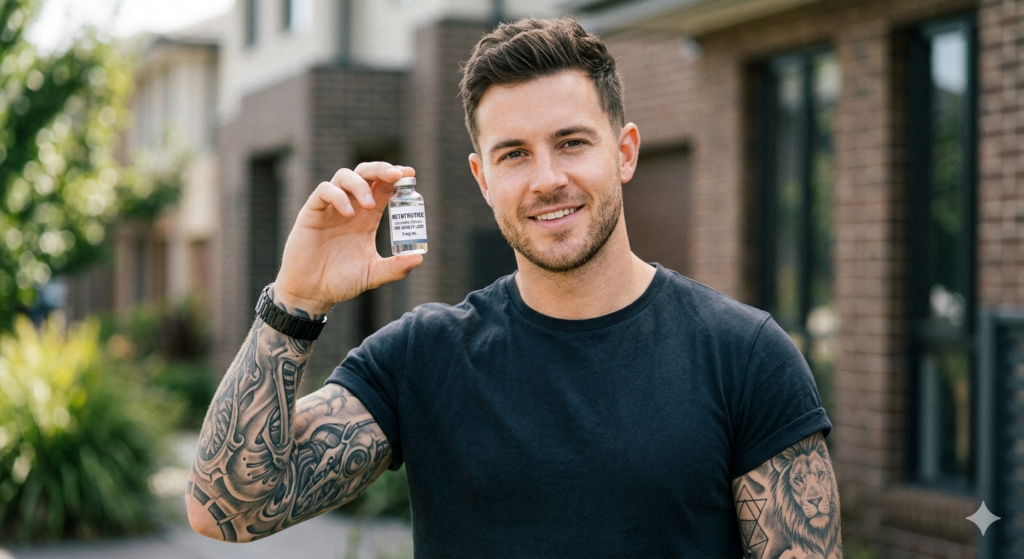
You’ve put in the work, the scale is moving, and your confidence is climbing. It makes complete sense that many people losing weight on Retatrutide start thinking about new ink. A tattoo is one of the most personal ways to mark a transformation. But before you book that appointment, there’s one question worth getting right: where you place that tattoo matters more than it ever has before. Choosing the best tattoo placement for people losing weight on Retatrutide could mean the difference between ink that ages beautifully and a design that distorts as your body continues to change.
This guide breaks down the most stable placement zones, the areas to hold off on, and how to work with your artist to make a decision you’ll be proud of for the long haul.
Why Tattoo Placement Matters More When You’re on Retatrutide
Retatrutide is a triple-action GLP-1, GIP, and glucagon receptor agonist that drives some of the most significant weight reduction seen in clinical peptide therapy. Phase 2 trial data showed average body weight reductions of up to 24% over 48 weeks, a rate of loss that has real consequences for skin.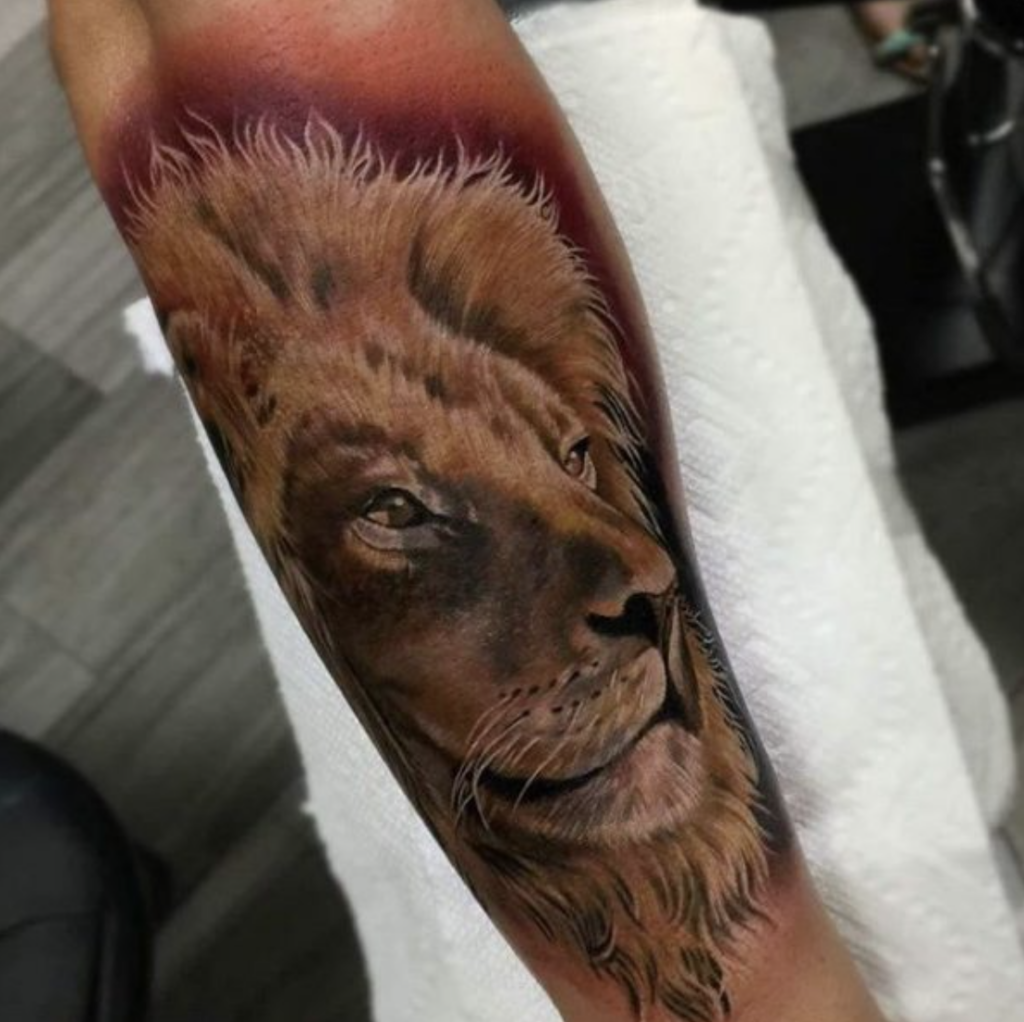
How Rapid Weight Loss Affects Skin Elasticity
When fat volume decreases quickly, the skin doesn’t always snap back at the same pace. Collagen and elastin fibers that gave skin its structure are stretched or loosened, which can lead to areas of reduced tension, slight sagging, or crepey texture, particularly in zones where fat stores are highest. This is not a flaw in your transformation. It’s simply biology.
For tattoo placement, it means that ink applied to actively changing skin may shift in dimension, stretch slightly, or settle unevenly as your body composition continues to evolve.
What Happens to Ink When Skin Volume Drops Significantly
A tattoo needle deposits ink into the dermis, the layer just beneath the surface. When the fat padding beneath that dermis shrinks, the skin can pucker, wrinkle, or redistribute. Fine lines may blur. Geometric designs can lose symmetry. Detailed portraits can appear to soften or elongate. None of this is inevitable, but it is a documented risk that every informed person on a medical weight loss program should factor into their timing and placement decisions.
The Best Tattoo Placements While Actively Losing Weight on Retatrutide
Some areas of the body undergo very little volume change during weight loss, making them strong candidates for tattooing even while you’re still in the active phase of your Retatrutide journey.
Forearms and Wrists
The forearm is one of the most universally stable tattoo zones during fat loss. It carries relatively little adipose tissue, and the muscle and bone structure underneath keeps the skin taut through most weight ranges. Fine-line and detailed work both tend to hold well here. Artists frequently recommend the forearm as a first placement for exactly this reason.
Calves and Shins
Like the forearm, the lower leg is predominantly muscle and bone. Fat distribution in the calves is minimal compared to the torso or thighs, so structural changes during weight loss are modest. This makes it one of the safest zones for large-scale or detailed work while your transformation is still ongoing.
Upper Chest and Collarbone
The upper chest and collarbone area experiences less dramatic volume change than the lower abdomen or torso. While breast tissue and upper chest fat can shift with significant loss, the collarbone shelf and upper sternum area tend to remain relatively stable. Placement here reads beautifully on most body types and holds up well through ongoing changes.
Upper Back and Between the Shoulder Blades
The upper back, particularly the space between and just below the shoulder blades, is another reliable zone. The musculature here provides structural integrity, and while the skin may change texture somewhat with major weight loss, designs placed in this region tend to retain their shape and proportion better than mid-back or lower back pieces.
Areas to Avoid Until Your Weight Stabilizes
Certain zones are best treated as a reward for reaching your goal weight, something to look forward to once your body has settled.
Abdomen and Stomach
The abdomen is the highest-risk area for tattoo distortion during active weight loss on Retatrutide. This is where the most significant fat stores are typically concentrated, and it’s the region most likely to experience loose or crepey skin as volume decreases. A design that looks proportional today may look quite different six months from now. Wait until your weight has been stable for at least three to six months before committing to abdominal ink.
Inner Thighs and Upper Arms
Both of these zones carry meaningful fat deposits that shift during weight loss. The upper arm (particularly the tricep area) and inner thighs are common problem spots for tattoo clients who didn’t anticipate body composition changes. If you’re actively losing weight, designs in these areas are better deferred.
Ribcage and Side Body
The ribcage is already a notoriously painful tattoo location, and its skin behavior during weight loss adds another variable. As the torso narrows, side-body pieces can stretch or warp in unpredictable ways. This is especially true for text, script, and geometric designs where even subtle distortion is immediately visible.
How Long Should You Wait Before Tattooing High-Change Areas?
Most tattoo artists and medical professionals recommend waiting until your weight has been stable for a minimum of three to six months before tattooing high-change areas like the abdomen, inner thighs, or upper arms. This gives your skin time to settle into its new baseline and allows collagen to begin remodeling.
“Stable weight” doesn’t mean you’ve stopped all progress. It means the rate of change has slowed significantly. A loss of one to two pounds per month is generally considered stable enough for most artists to work confidently in higher-risk zones.
If you’re still in the active weight loss phase on Retatrutide, your prescribing physician can help you understand where you are in your treatment arc and give you a realistic window for when stabilization is likely. To learn more about what a supervised program involves, explore the full range of peptide therapy and weight loss services at Dynamink Health.
A practical checkpoint: if your clothing size has not changed in three months, that’s a reasonable signal that your body composition has reached a relative plateau in a given area. Discuss this with both your doctor and your artist before proceeding.
Design Tips That Hold Up Through Body Transformation
Placement is only half the equation. The type of design you choose also affects how well your tattoo ages through ongoing changes.
Bold lines over fine lines. Fine-line tattooing is beautiful, but it’s less forgiving of skin changes. If you’re tattooing during active weight loss, even in a stable zone, bold outlines and solid fills hold their integrity better than hairline work.
Avoid dense geometric patterns in flexible areas. Geometric designs with precise symmetry are particularly sensitive to even minor skin shifts. If geometry is your style, choose a stable placement zone and be patient about timing.
Scale down for now, scale up later. A smaller piece in a stable zone today doesn’t prevent you from adding to it after your transformation is complete. Many people on long-term GLP-1 therapies plan their tattoo journey in stages, building a sleeve or back piece progressively as their body settles.
Have an honest conversation with your artist. A skilled tattoo artist who understands body composition changes can guide you toward designs and placements that will age well. Don’t downplay how much weight you’re still planning to lose, because that information directly shapes their recommendations.
Key Takeaways
- Retatrutide drives significant, rapid weight loss that affects skin elasticity and tattoo placement longevity.
- The safest zones during active weight loss are the forearms, calves, upper chest and collarbone, and upper back.
- Avoid the abdomen, inner thighs, upper arms, and ribcage until your weight has stabilized for at least three to six months.
- Stable weight means minimal change over three or more months, not a complete halt to your progress.
- Bold line work holds up better through body changes than fine-line or dense geometric designs.
- Always disclose your Retatrutide use and weight loss trajectory to your tattoo artist before booking.
- Your prescribing physician can help you understand your treatment timeline and when stabilization is likely.
The Bottom Line: Choose Placement as Intentionally as You Choose the Design
Your body is doing something remarkable. Choosing the best tattoo placement for people losing weight on Retatrutide isn’t about limiting your creativity. It’s about protecting it. The right placement today means ink that still tells your story clearly a decade from now, rather than a piece that requires touching up or covering because it was applied too early in an area that continued to change.
If you’re considering Retatrutide and want to understand what your weight loss journey will look like before you make any permanent decisions, book a consultation with Dynamink Health. Our physician-supervised programs use today’s most advanced peptide therapies, and we believe that how you celebrate your transformation should be as carefully considered as the transformation itself.